
HANDYMAN / FULHAM
Handyman in Fulham.
Before the finishing touches.
New paint or furniture works best when the loose fittings and damaged edges have been dealt with first. We assess the practical repairs that sit between an existing room and the finish you want.
Call line 24/7 · Work and availability confirmed for your address.
PREPARATION / FITTINGS / FINISHES
Can we repair small damage before decorating a Fulham room?
We can discuss suitable repairs to fixing holes, trim and ordinary joinery before the finish is applied. We assess the background first, including loose plaster, moisture and recurring movement. Filling and preparing a patch are separate from repainting a whole surface, so the final decorative extent is agreed.
Can we fit a new cabinet after removing the old one?
We need to inspect the wall, floor and any exposed services as well as the new product. Old holes may not suit the new hangers, and previous furniture can hide damaged surfaces. We discuss preparation and the new support arrangement before treating the replacement as a direct swap.
THE WORK IN YOUR HOME
Do the repair before hiding the evidence.
A fresh coating can make a room look different without correcting a loose door lining, damp panel or failed wall fixing. We discuss handyman work in Fulham with the background in view. Tell us which repairs are being made before decoration and which fittings are staying. A photograph taken before old hardware is removed can show where loads, movement or water have affected the surface.
We can consider carpentry, mounting, furniture assembly and resealing with your room plans. The work needs a sensible relationship: dusty preparation before a clean sealant joint, a repaired wall before a new bracket, a stable cabinet before its fronts are adjusted. We explain those dependencies without assuming the room needs a complete refurbishment. Where a fault points beyond a small repair, we discuss that assessment before making good conceals the area.
Useful details for your enquiry
- Show the original fitting and surrounding damage before removing them.
- Tell us which walls or joinery will be repainted after the repair.
- Keep spare tiles, trim or matching hardware available for comparison.
- Identify ongoing leaks or movement before cosmetic work is agreed.
- Confirm the protection needed for floors and furniture around the task.
Bracket removal can reveal weak plaster
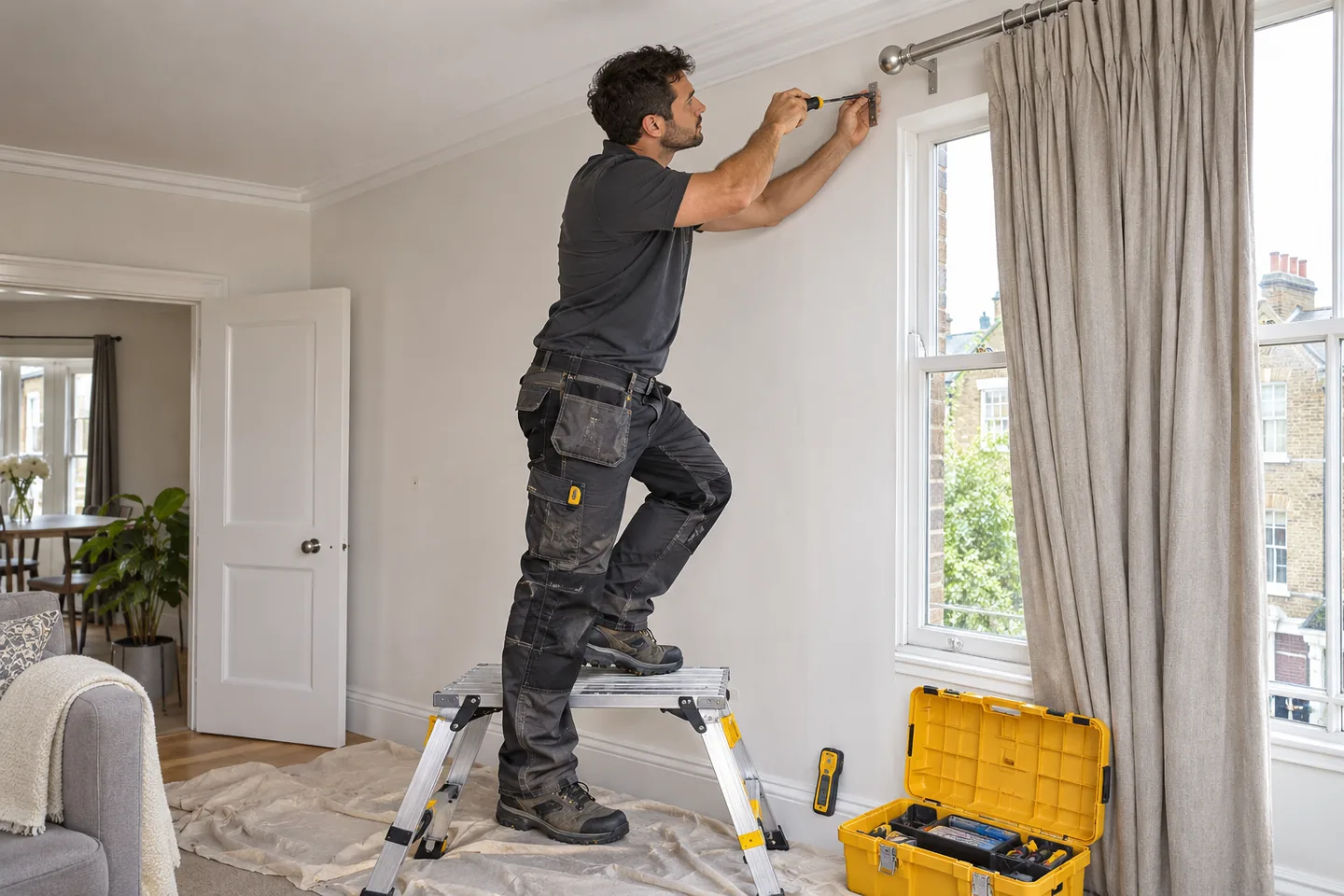
We inspect the old fitting and support before removal, noting loose anchors or areas that move. A bracket may cover a larger patch of damaged plaster than its footprint suggests. We agree what is being retained and protect surfaces below. The new position needs deciding before old holes are filled or reused.
We remove redundant loose material and prepare a sound background for appropriate making good. Drying, sanding and coating depend on the repair products and depth. If plaster is extensively loose or damp, a local filler patch is not the right preparation. We explain what repair is complete and what wider decoration remains.
MATCH THE REPAIR
Prepare, fit, then finish
The later finish depends on the condition beneath it.
5 service options.
| Problem or task | What we inspect | Work to discuss | Related service |
|---|---|---|---|
| Old bracket damages plaster | Loose background and anchor holes | Repair before new mounting or paint | Painting decorating ↗ |
| Skirting section is missing | Profile, support and moisture | Fit sound joinery before finishing | Carpentry services ↗ |
| New cabinet replaces old | Hangers, wall and service clearance | Set out the new support independently | Hanging wall mounting ↗ |
| Bath bead splits again | Movement and joint condition | Resolve the cause before resealing | Tiling grouting re sealing ↗ |
| Threshold lifts | Floor edges and movement gap | Repair the transition appropriately | Flooring ↗ |
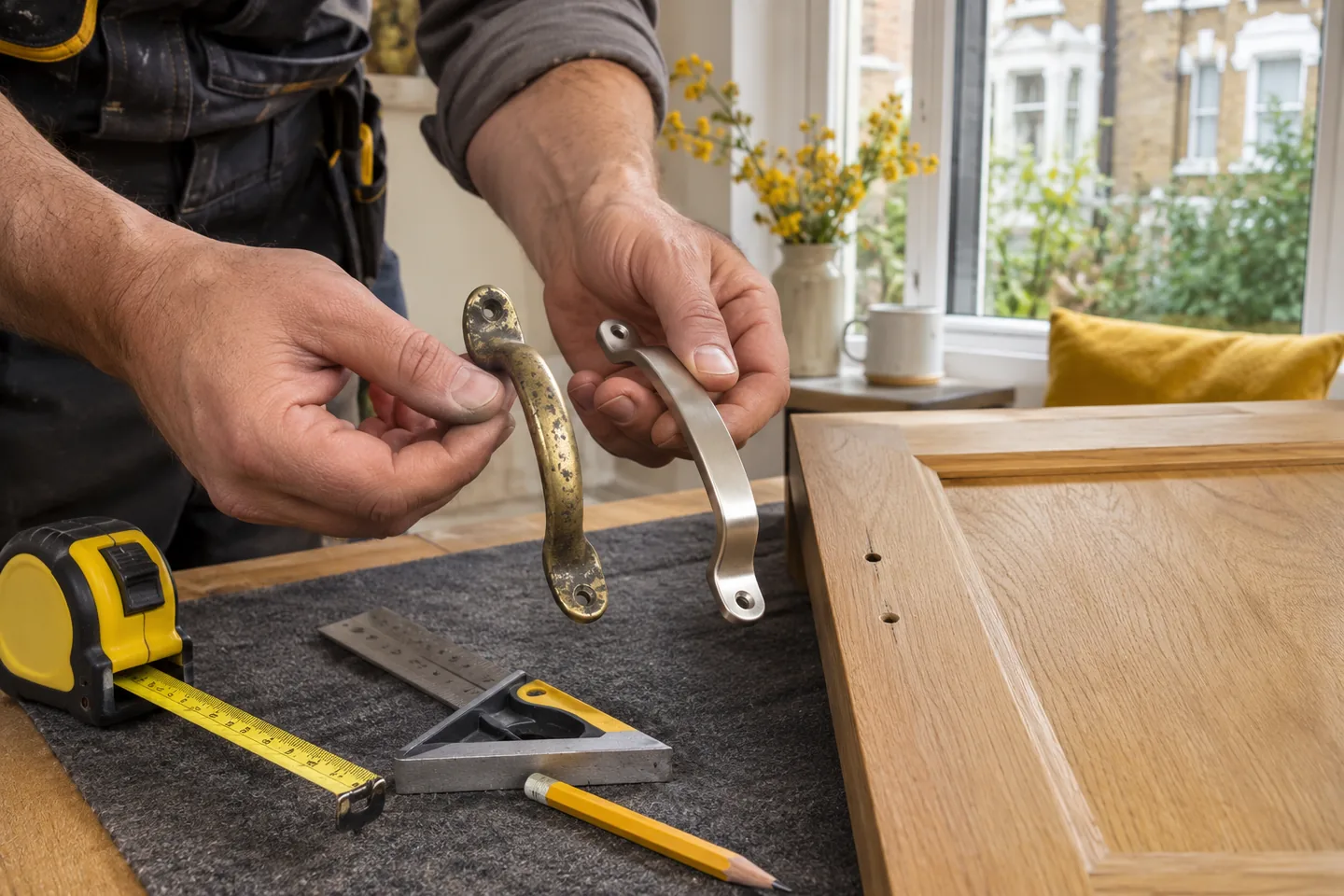
Skirting joints need the correct profile
A small replacement length can look awkward if its profile or height differs from the existing skirting. We inspect the adjoining material, corners and floor line before cutting. We also check why the section failed: impact, loose fixing and dampness call for different preparation. Matching stock may not be available for every old moulding.
We fit an appropriate agreed section against sound support and prepare joints and fixing points for the intended finish. We avoid fastening blindly into a possible service route. The repair should not leave a sharp projection or obstruct a door. We discuss visible differences and painting rather than assume a fresh piece will disappear into an aged coating.

A wall cabinet changes the support positions
We compare the new cabinet’s hangers with the wall and intended contents. The old cabinet’s holes may be wrong for the new rail or weakened from removal. We inspect the new unit for damage and identify its locking or retaining components. Door clearance, nearby switches and service access affect the final height and position.
After checking drilling routes, we fit a suitable support arrangement into appropriate material and engage the cabinet as instructed. We check level, retaining hardware and door travel. If the wall needs reinforcement or repair first, we explain that before hanging. A neatly positioned unit still requires a sound load path behind it.
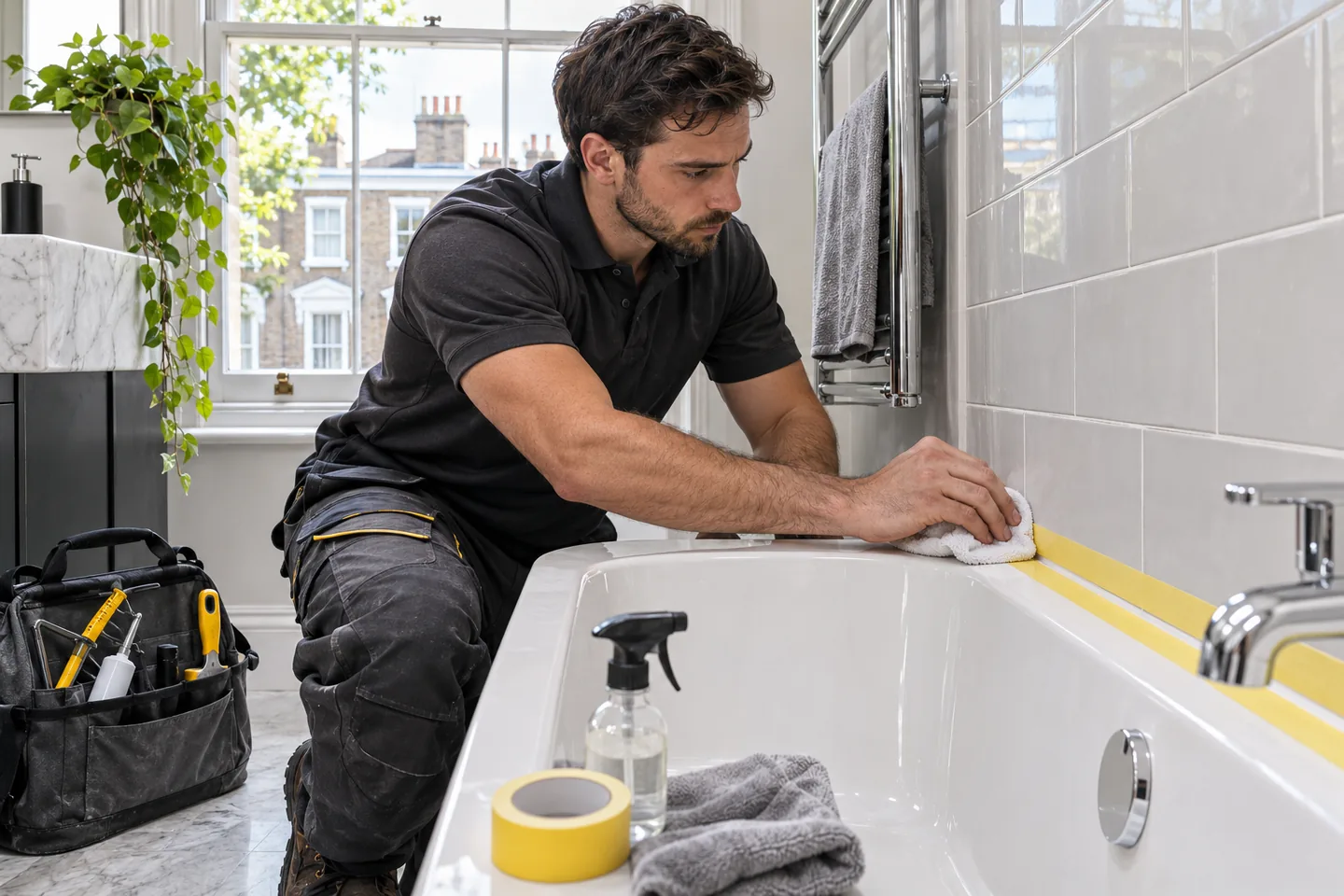
A bath-edge joint needs its movement understood
We inspect the split or missing bead and the surfaces beside it. Repeated failure can reflect movement, contamination or unsuitable preparation. We also look for loose tiles and water beyond the joint. Tell us when the previous bead was applied and whether the gap changes during use, without attempting to test an unstable fitting yourself.
For a suitable reseal, we remove failed material, clean and dry the joint appropriately and use a compatible product. We form a continuous bead and explain the curing requirements. If movement or damaged background prevents adhesion, that needs resolving first. We distinguish the resealed edge from any separate plumbing or damp investigation still required.
THE AREA / THE ACTUAL ADDRESS
Fulham building checks before alterations
The government Planning Data service publishes a Fulham Park Gardens conservation-area record. Local conservation designations can affect proposed alterations. Check the actual address when work may alter a protected feature or external fitting, and confirm any necessary permissions before proceeding. Send relevant consent conditions or building requirements with the enquiry so the proposed repair can be considered properly.
For indoor work, describe the access route and surfaces around the job. A bed assembly needs space for long components; a threshold repair needs the doorway clear; resealing needs an appropriately prepared area that can remain unused while the product cures. Tell us which rooms must stay accessible and what furniture cannot be moved. Those details help us discuss protection and preparation for the visit alongside the postcode and photographs.
Address information: Planning Data: Fulham Park Gardens conservation-area record
PLAN THE WORK
Explore the time and labour budget.
Select the task, quantity and visit period. Assembly benchmarks and entered time assumptions stay visible; other repairs need an individual assessment.
Plan your Fulham repair enquiry
Choose the work, enter quantities and review the assumptions. We confirm the repair, working time and availability before booking.
Assembly benchmarks assume complete product parts, instructions and a clear working area. For other repairs, a known condition does not establish a standard duration.
Compare the assembly work
Published London assembly ranges for one item. These are external planning benchmarks, not our recorded job times or guaranteed completion periods.
Time evidence: published London assembly ranges, checked 3 November 2026. Product, staffing and access differences require assessment. Carrying, missing parts and wall restraint are not automatically included.
Compare labour for the same working time
Comparison uses the selected day and visit period. These are labour categories at equal time, not fixed job prices. One-hour minimum; subsequent half hours. Materials, sourcing time, parking and congestion charges are separate. Rates include taxes. Daytime: handyman 08:00–18:00; plumbing/electrics 08:00–18:00 weekdays and 08:00–17:30 weekends. Outside-daytime availability needs confirming.
What changes the repair decision?
This compares the checks needed for the selected repair, not a scored difficulty or a promised duration.
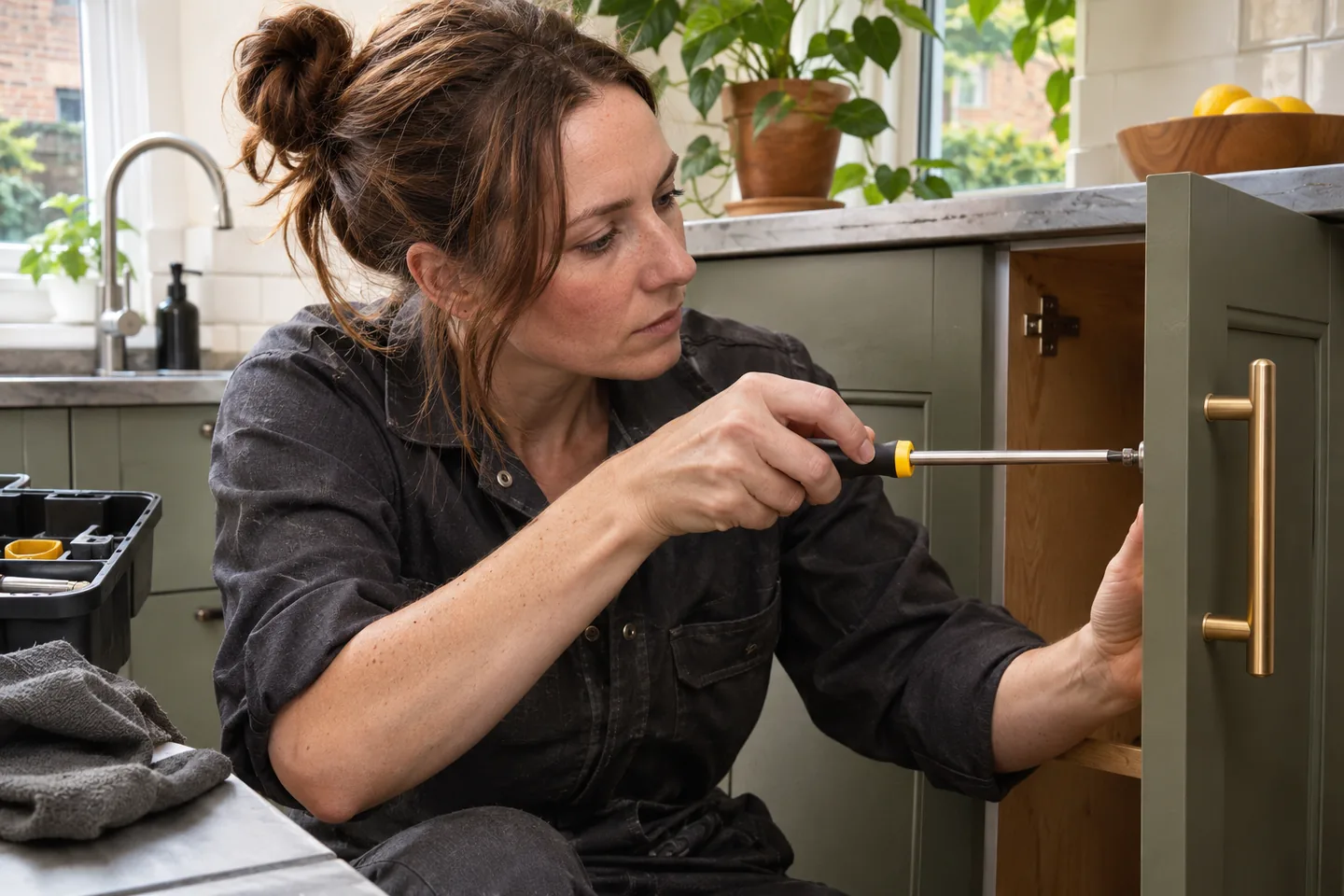
Handles should meet the existing holes properly
A replacement cupboard handle needs the correct fixing centres, screw length and clearance. We measure the actual holes and inspect the panel around them before ordering or fitting. A larger backplate can conceal old marks, but that does not resolve broken material. We also check whether the new shape will strike another door or appliance.
We fit compatible hardware without overtightening into the panel and check movement around the cabinet. Any repair to redundant holes or surrounding finish is agreed separately. If the existing holes cannot provide sound fixing, we discuss the appropriate panel repair or alternative handle arrangement. The final check includes secure holding and comfortable use, not only visual alignment.

A new bed needs space to be built
We check the instructions and room dimensions before unpacking a bed. Long side rails and headboard panels need a clear route and a protected assembly area. We identify components and inspect corners and connector points while they are visible. Missing centre supports or incorrect bolts can prevent completion even when the outer frame looks assembled.
We build in the specified sequence, check the frame square and fit slats and supports as intended. Once positioned, we inspect floor contact and any moving storage mechanism according to the product instructions. We do not force incomplete hardware. We explain missing or damaged parts before loading, and keep useful product information together for future maintenance.

A sticking cupboard may be a shelf conflict
A cupboard door can catch because a shelf has shifted, a hinge projects into the opening or stored items push the door outward. We clear the area and inspect the contact before adjusting the hinge. We also check the body’s shape and mounting plate condition. Moving the front gap can otherwise hide the true obstruction.
We restore suitable shelf seating or hinge fixing and adjust within the product’s intended range. We test the full opening arc and closure with the cabinet in normal position. Broken support holes or a warped panel may need another repair. The final arrangement should not rely on forcing the door against a shelf or using a stronger catch to hold it shut.

A threshold needs the finished floor considered
Before fitting a threshold strip, we inspect both floor edges, their height difference and any required movement allowance. A strip that lifts may be fixed to unsuitable material or covering a loose edge. We measure the doorway and check the door’s swing, including any safety function that limits permissible changes.
We prepare sound support and fit an appropriate profile without clamping a floating floor incorrectly. Fixing routes need checking for hidden services. We test the door and inspect exposed edges for a trip point or loose contact. Dampness, softness or wider floor movement needs a flooring assessment rather than a longer cover strip.
EMERGENCY LOCKSMITH ENQUIRIES
When the door repair involves its lock
A door that catches and a key that binds can be related, but the visible handle is not always the failed part. Tell us what happens with the door open and closed, whether the handle returns and whether the property can currently be secured. We also ask about recent impact or a broken key. Those observations help us discuss the appropriate assessment without asking you to dismantle entrance hardware or force a reluctant mechanism.
We take locksmith enquiries for Fulham alongside the other repair work. Authority to proceed needs establishing for the door, including any owner or building-manager approval for shared or rented property. Existing fire and security functions must remain part of the decision. Our call line is available 24/7 on 020 3746 0607, and the visit and proposed work are confirmed for the circumstances. If the surrounding frame, hinges or strike has moved, we explain how that affects the locking arrangement. After agreed work, normal opening and secure closure need checking together. A replacement part should not be expected to compensate for a door that still meets the frame incorrectly, and any further joinery assessment is explained before decorative making good conceals the area.
BEFORE YOU BOOK
Questions about the work here.
Should decorating happen before mounting?
We discuss the intended sequence. New drilling or removal can require making good, while some preparation is best completed before final paint. The wall condition and chosen fitting determine the sensible arrangement; there is no single answer for every room.
Can you match an old skirting profile?
We inspect and measure it, then discuss available material or a suitable joinery approach. An exact stock match may not exist. Share a clear side profile and dimensions before buying replacement timber.
Can a larger handle hide old damage?
It may cover marks, but the panel still needs sound fixing. We inspect the holes and surrounding material before choosing a handle. Cosmetic coverage is not a substitute for repairing a weakened connection.
Will new silicone stick to the old bead?
A proper renewal normally requires removing failed material and preparing the joint. Applying a covering layer can leave contamination and loose material below. We assess the surfaces and use an appropriate product with curing instructions.
Can furniture be built before all parts arrive?
We check the parts list first. Missing braces, supports or connectors can affect stability and the assembly sequence. We explain whether work can sensibly proceed or whether the product needs the missing parts before building.
How do we enquire about Fulham work?
Call 020 3746 0607 with the postcode, photographs and planned finish. Include product details and access requirements. Our call line is open 24/7; attendance and the proposed work are confirmed for the enquiry.
TELL US WHAT NEEDS ATTENTION
Discuss your Fulham repair list.
Call 020 3746 0607 with the property address, the items needing attention and the available access. We review the work and confirm the arrangements before a visit is booked.
Original illustrative work scenes show the activities described; they are not photographs of completed customer jobs in this neighbourhood.